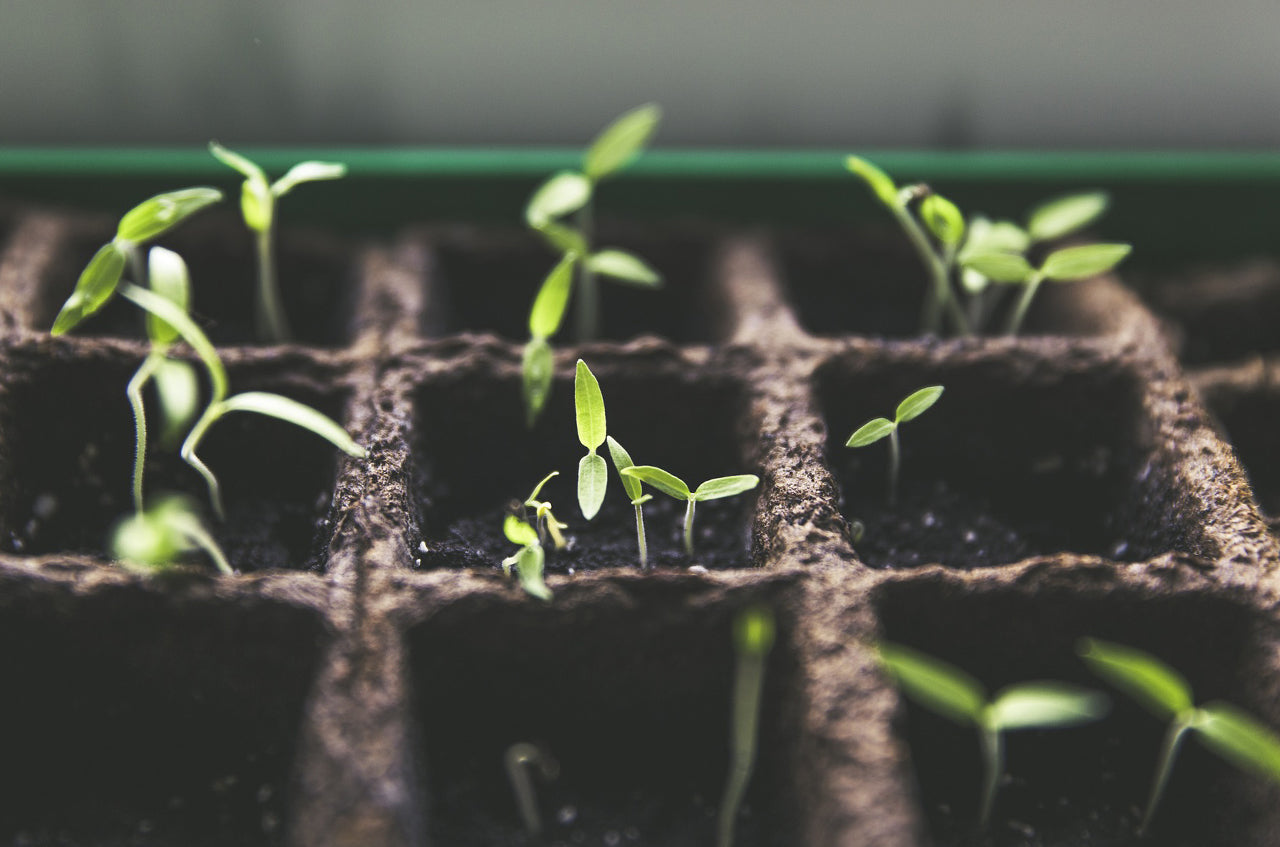

- Nowadays, everyone is familiar with the concept of an urban allotment. Urban allotments have grown increasingly popular in recent years. Their aim is to make cities greener and, in doing so, promote organic farming for local consumption. They also help reduce pollution caused by vehicles delivering produce grown elsewhere. Take a look at the different types of urban allotments to keep up to date.
– Home allotment
This is created for self-consumption. Depending on the space available at home, it can be set up in the garden, on a patio, on a balcony, or even on a wall. The latter are known as vertical allotments.
With a little ingenuity, you can build your own allotment and enjoy healthy food made with the produce you grow. It's great!
– Educational allotments
The local council sets aside plots to teach schoolchildren how to grow food in allotments. This promotes agricultural education and raises awareness of the importance of the environment.
– Municipal allotments
This type of allotment is also managed by the local council. The plots are allocated to various groups, including older people, unemployed people, and community groups. The council is responsible for providing water and storing the tools.
– Community allotments
A group of people work together to produce healthy, organic produce. The main difference between these and the previous types of allotments is that this allotment may be for private use.
– Therapeutic allotments
Working outdoors and spending the day in the countryside can be a very relaxing activity. For this reason, people undergoing therapy, older people, and people with disabilities may find that farming provides a healthy pastime that promotes their well-being.
The urban home garden